 c. 1.8 million BCE
Archaeology
The First Stone Tools at Olduvai
Early humans shape cutting flakes from lava cobbles.
Source: ,
Archive index
187 records
c. 1.8 million BCEEarly humans shape cutting flakes from lava cobbles.
Source: ,
 c. 40,000 BCE
One of the oldest known human burials outside Africa, evidence of Aboriginal ritual life tens of thousands of years ago.
Source: ,
 c. 30,000 BCE
The Burrup Peninsula holds perhaps a million engravings, among the largest rock art collections on Earth.
Source: ,
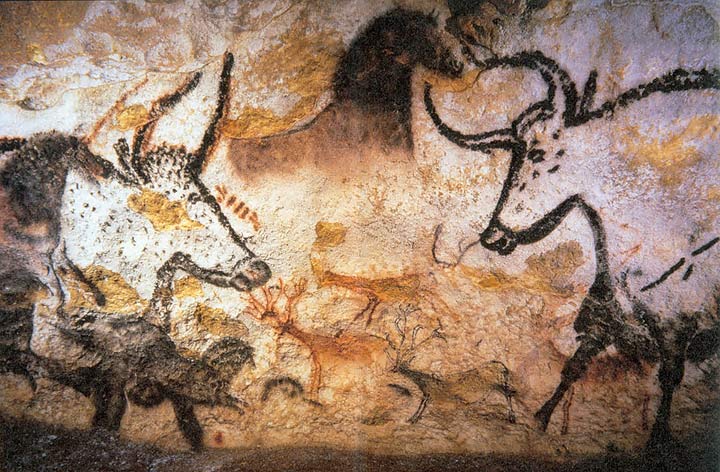 c. 17,000 BCE
Ice Age artists cover a cave with some 600 painted animals.
Source: ,
 c. 6000 BCE
Thousands of paintings record a green Sahara of cattle herders, hunters and swimmers before the desert came.
Source: ,
 c. 4600 BCE
The Gunditjmara built stone channels to farm eels, one of the oldest aquaculture systems in the world.
Source: ,
 3100 BCE
Tradition credits King Menes with joining the two lands and founding the first dynasty at Memphis.
Source: Toby Wilkinson, 2010
 c. 3000 BCE
Anangu artists paint the caves of Uluru, part of a living tradition of songlines and law.
Source: ,
 c. 2600 BCE
Sumerian rulers are buried with gold, lyres and attendants.
Source: ,
 2560 BCE
Khufu's tomb at Giza rose to 146 metres and stayed the tallest structure on earth for 3,800 years.
Source: Mark Lehner, 1997
 c. 2500 BCE
Sarsen stones weighing 25 tonnes are set in a ring.
Source: ,
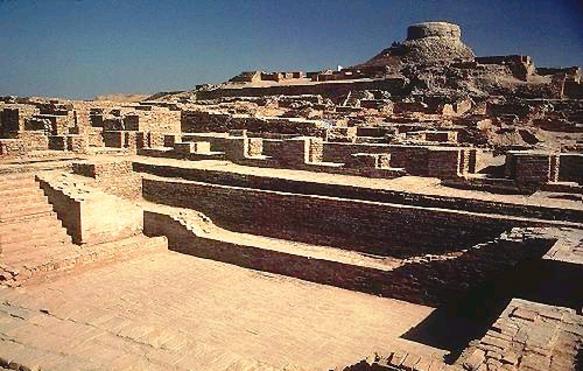 c. 2500 BCE
A planned city with drains, granaries and a public bath.
Source: ,
 c. 2400 BCE
The kingdom of Kush raised vast mud-brick temples at Kerma, one of Africa's earliest urban centres.
Source: ,
 c. 2000 BCE
A Bronze Age people of the southern Urals build a ring-shaped fortified settlement, part of the Sintashta culture.
Source: ,
 c. 1900 BCE
Knossos became a major center of Minoan civilization, with a palace linking ceremonial life, storage and administration on Crete.
Source: UNESCO, 2026
 1754 BCE
282 laws cut into a two-metre basalt stele, published where any literate subject could read them.
Source: Martha T. Roth, 1995
 c. 1600 BCE
Volcanic ash preserved a Bronze Age town on Santorini, including multistory houses and vivid wall paintings.
Source: Wikipedia contributors, 2026
 c. 1264 BCE
Ramesses II cut two colossal temples into a Nubian cliff, aligned so sunlight reaches the inner sanctuary twice a year.
Source: ,
 c. 1250 BCE
A monumental gateway guarded one of the most powerful citadels of Bronze Age Greece.
Source: UNESCO, 2026
 c. 1250 BCE
Shang kings carved questions to their ancestors on bones and shells — the earliest Chinese writing.
Source: ,
 776 BCE
A single foot race at the sanctuary of Zeus becomes the Greek world's shared calendar.
Source: Nigel Spivey, 2004
 c. 700 BCE
A sanctuary on Mount Parnassus became a meeting place for pilgrims, city-states and questions about the future.
Source: UNESCO, 2026
 575 BCE
Nebuchadnezzar II builds a gate of blue glazed brick.
Source: ,
 518 BCE
The Achaemenid king begins a terrace palace for Nowruz.
Source: ,
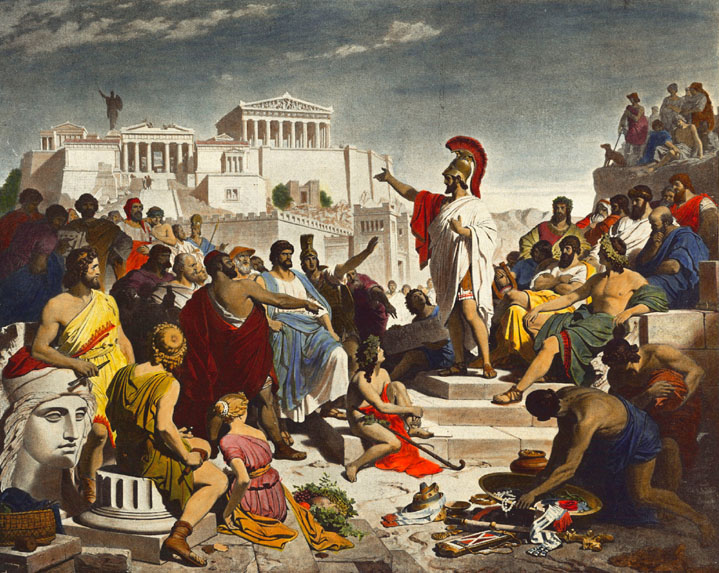 508 BCE
Cleisthenes reorganises Attica into ten tribes and hands sovereignty to the assembly of citizens.
Source: Josiah Ober, 1996
 c. 500 BCE
The teacher of Lu gathered disciples whose recorded sayings shaped Chinese ethics for two millennia.
Source: ,
 490 BCE
Athenians and Plataeans defeated a Persian expedition on the coastal plain of Marathon.
Source: Encyclopaedia Britannica, 2026
 480 BCE
Greek warships fought the Persian fleet in the narrow waters beside Salamis.
Source: Encyclopaedia Britannica, 2026
 480 BCE
A Greek coalition defended a narrow pass against Xerxes’ invading army.
Source: Encyclopaedia Britannica, 2026
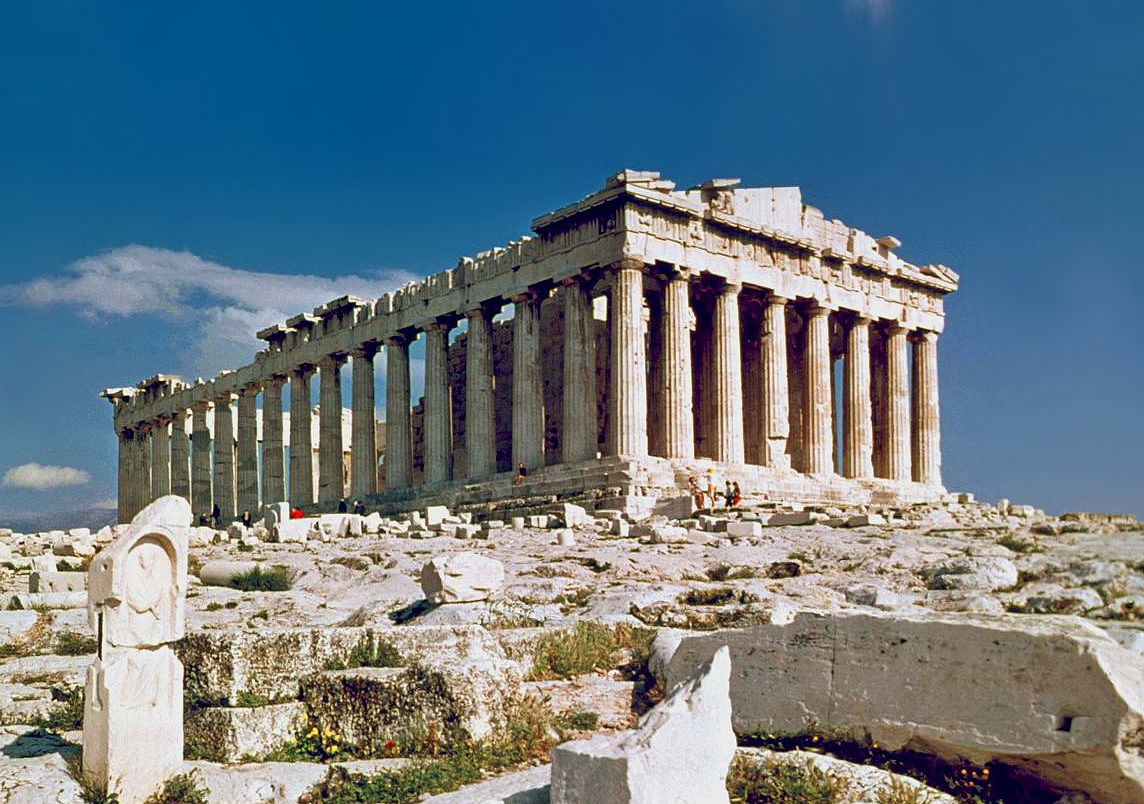 432 BCE
Fifteen years of work on the Acropolis end with a temple whose columns are deliberately imperfect.
Source: Mary Beard, 2003
 399 BCE
A jury of 501 Athenians condemns a philosopher for impiety; he drinks hemlock rather than flee.
Source: Plato, -399
 c. 340 BCE
A theatre took shape beside a sanctuary where pilgrims sought healing from Asclepius.
Source: UNESCO, 2026
 336 BCE
Macedonia’s royal burial ground preserves remarkable evidence of court life in the age of Philip II.
Source: UNESCO, 2026
 315 BCE
Cassander founded a new Macedonian city that would become a crossroads of the eastern Mediterranean.
Source: Encyclopaedia Britannica, 2026
 c. 300 BCE
Kushite rulers were buried under more than two hundred steep pyramids near the Nile, in a kingdom famed for iron working.
Source: ,
 283 BCE
The Ptolemies attempt to collect every book in the world in one harbour city.
Source: Roy MacLeod, 2000
 256 BCE
Li Bing split the Min River without a dam, an irrigation system still watering the Chengdu plain.
Source: ,
 c. 214 BCE
The first emperor linked older border walls into a defence against the northern steppe.
Source: ,
 210 BCE
China's first emperor is buried with 8,000 clay soldiers.
Source: ,
 167 BCE
A sacred island became an international trading hub after Rome changed its political and commercial status.
Source: UNESCO, 2026
 146 BCE
The defeat of the Achaean League brought destruction to a major Greek city.
Source: Encyclopaedia Britannica, 2026
 146 BCE
Rome ends the Third Punic War by razing its rival.
Source: ,
 130 BCE
Han envoys reach Central Asia and stitch together a 6,400 km commercial and cultural corridor.
Source: Peter Frankopan, 2015
 c. 100 BCE
Desert people scratch giant animals into the plain.
Source: ,
 44 BCE
Sixty senators stab the dictator perpetuo at the Theatre of Pompey on the Ides of March.
Source: Suetonius, 121
 30 BCE
After defeat at Actium, Cleopatra VII dies and Egypt becomes a Roman province.
Source: Duane W. Roller, 2010
 1st century CE
Nabataeans carve a tomb façade into rose-red sandstone.
Source: ,
 c. 30 CE
A Galilean preacher is executed under Pontius Pilate.
Source: ,
 79 CE
Ash buries Pompeii and Herculaneum in a single day.
Source: ,
 c. 200 CE
A 65-metre pyramid rises over the Avenue of the Dead.
Source: ,
 203 CE
Emperor Septimius Severus lavished his home city with a forum, basilica and harbour that made it a jewel of Roman Africa.
Source: ,
 330 CE
Constantine dedicates a new Rome on the Bosphorus, at the hinge of Europe and Asia.
Source: Judith Herrin, 2007
 c. 330 CE
King Ezana adopts Christianity and raises granite obelisks.
Source: ,
 366 CE
Monks began carving Buddhist cave shrines on the Silk Road; they grew into a thousand-year gallery of art.
Source: ,
 476 CE
Odoacer deposes Romulus Augustulus and sends the imperial regalia east.
Source: Peter Heather, 2005
 c. 560
Sasanian Persians built walls across the Caspian pass, guarding one of the oldest cities in Russia.
Source: ,
 609
The Sui dynasty linked the Yellow and Yangtze rivers, the longest canal in the world.
Source: ,
 644 CE
The pilgrim Xuanzang describes the great gathering at the confluence of the Ganges and Yamuna.
Source: ,
 670
Founded by Uqba ibn Nafi, the mosque became a centre of Islamic learning across North Africa.
Source: ,
 785
Abd al-Rahman I begins a forest of red-and-white arches.
Source: ,
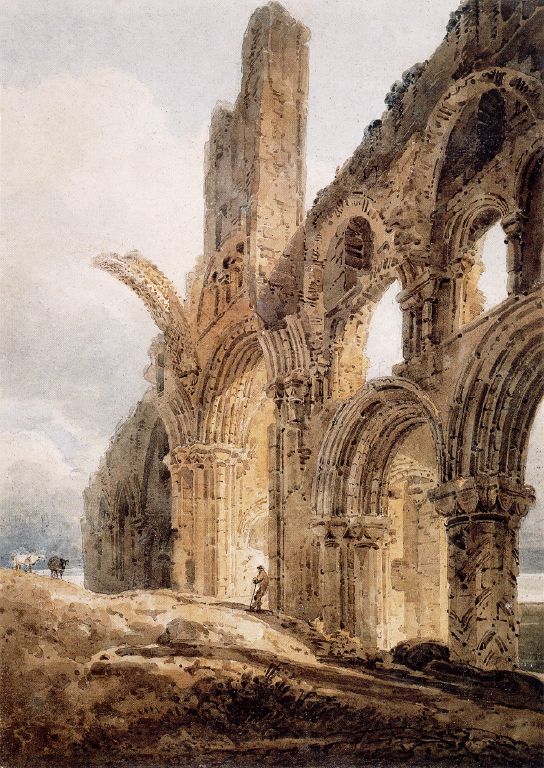 793
Norse raiders sack a monastery, opening the Viking Age.
Source: ,
 803
A 71-metre Buddha was carved from a cliff where three rivers meet, meant to calm the waters.
Source: ,
 c. 825
Sailendra kings build a mountain of stone stupas.
Source: ,
 c. 830
Abbasid scholars translate Greek, Persian and Indian science.
Source: ,
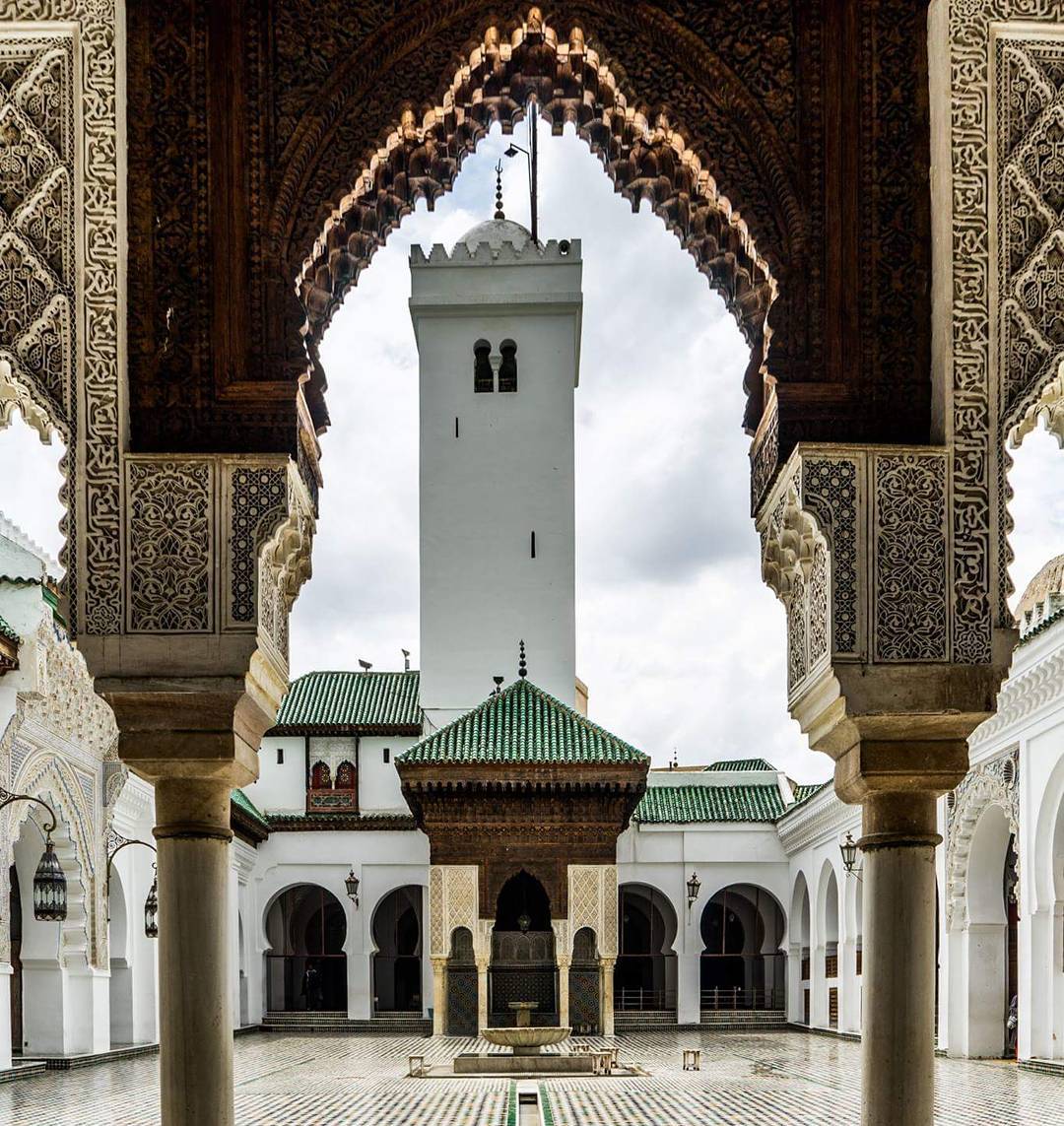 859 CE
A merchant's daughter endows a mosque and school that becomes the oldest continuously operating university.
Source: ,
 862
According to the Primary Chronicle, the Varangian Rurik is invited to rule Novgorod, founding the dynasty that would rule Rus' for seven centuries.
Source: ,
 c. 900
A step pyramid casts a serpent shadow at the equinox.
Source: ,
 988
Grand Prince Vladimir of Kyiv adopts Orthodox Christianity from Byzantium, reshaping the culture of the eastern Slavs.
Source: ,
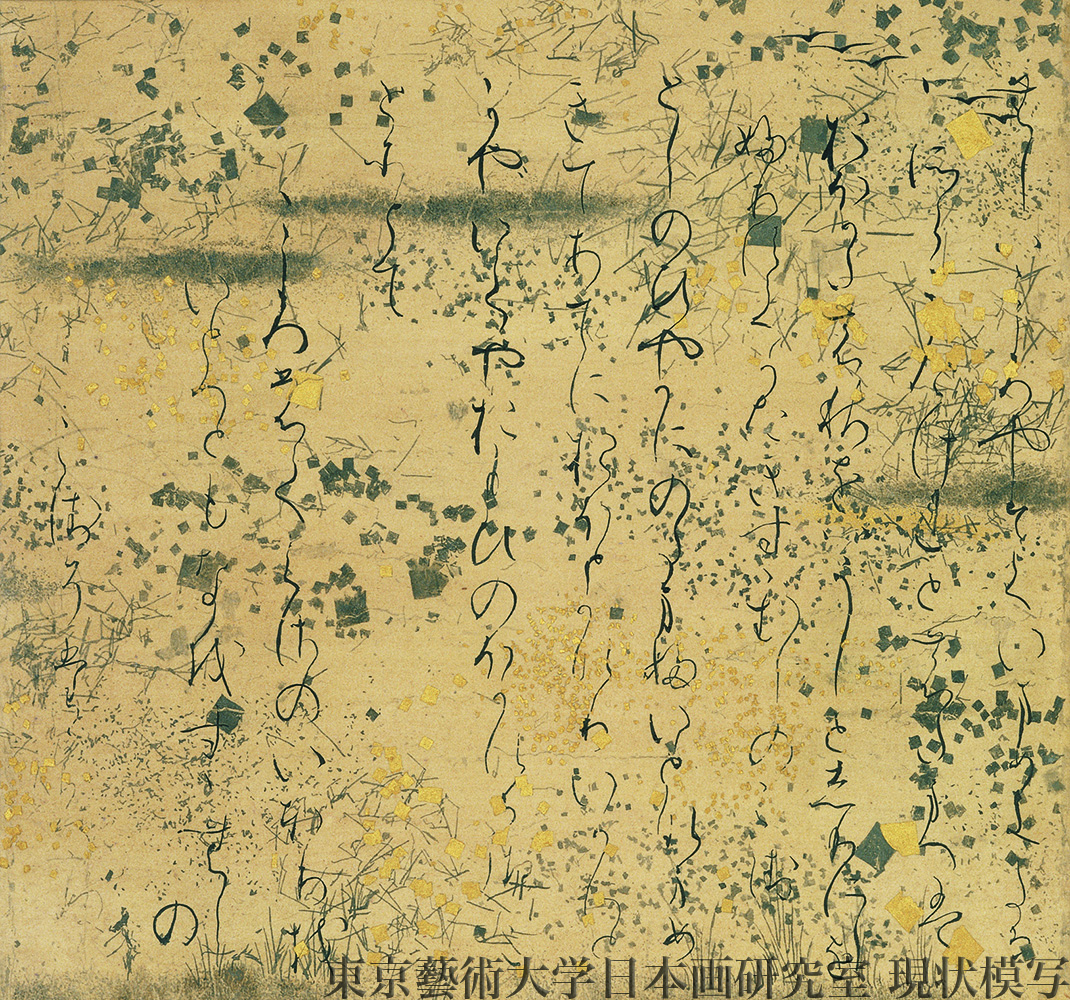 c. 1010
Murasaki Shikibu writes the world's first great novel.
Source: ,
 1066
William of Normandy defeats Harold II.
Source: ,
 c. 1077
A seventy-metre embroidered cloth telling the Norman conquest of England is finished, likely for Bayeux Cathedral.
Source: ,
 c. 1100
With perhaps a million people, paper money and printing, Kaifeng was among the world's great cities.
Source: ,
 c. 1100
Mississippian builders raise a 30-metre earthen mound.
Source: ,
 c. 1150
Suryavarman II builds the largest religious monument.
Source: ,
 1158
Prince Andrei Bogolyubsky builds the Dormition Cathedral of Vladimir, crown of a new northern capital.
Source: ,
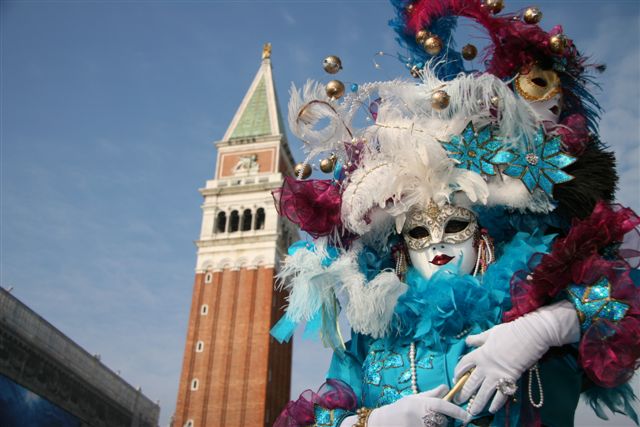 1162
Venetians celebrate a victory over the Patriarch of Aquileia with festivities in St Mark's Square.
Source: ,
 c. 1200
Eleven churches are carved downward into solid rock.
Source: ,
 1215
Barons force King John to accept limits on royal power.
Source: ,
 c. 1220
An early southern African kingdom traded ivory and gold to the coast; its golden rhinoceros is a national treasure.
Source: ,
 1235
Ögedei Khan walls the Mongol capital.
Source: ,
 1249
A fortress above Sparta grew into a major center of late Byzantine government and culture.
Source: UNESCO, 2026
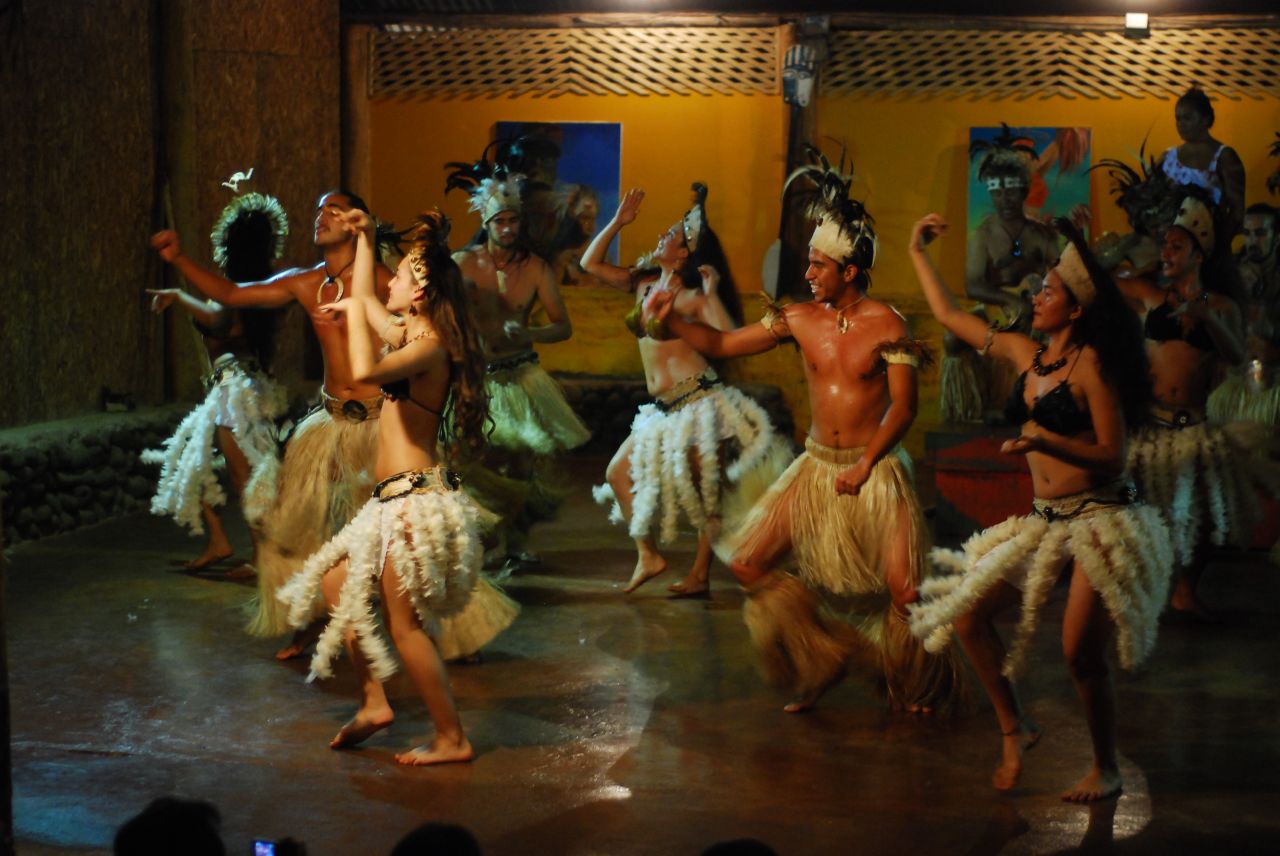 c. 1250–1500
Islanders carve nearly 1,000 stone figures.
Source: ,
 1273
After Rumi's death, his followers in Konya formalize the Mevlevi order and its turning prayer, the sema.
Source: ,
 c. 1300
Shona builders raise mortarless granite walls.
Source: ,
 1324
Mali's ruler returns from Mecca and builds Djinguereber.
Source: ,
 1331
Ibn Battuta praised Kilwa as one of the most beautiful cities in the world, a Swahili hub of the Indian Ocean gold trade.
Source: ,
 1348
Pskov broke from Novgorod to become a city republic ruled by its veche assembly behind a mighty kremlin.
Source: ,
 c. 1350
Monastic communities established houses of prayer on the towering rock pillars of Thessaly.
Source: UNESCO, 2026
 1370
Timur makes Samarkand capital of a vast empire.
Source: ,
 1380
Prince Dmitry of Moscow defeats the Golden Horde's army under Mamai on the upper Don.
Source: ,
 1405
Admiral Zheng He led giant junks across the Indian Ocean as far as East Africa.
Source: ,
 c. 1411
The monk Andrei Rublev paints the Trinity icon, the masterpiece of Russian religious art.
Source: ,
 1420
The Yongle Emperor moves the capital to Beijing.
Source: ,
 1436
Monks founded a fortress-monastery on White Sea islands; centuries later it became the first Gulag camp.
Source: ,
 c. 1450
Pachacuti builds a mountain retreat.
Source: ,
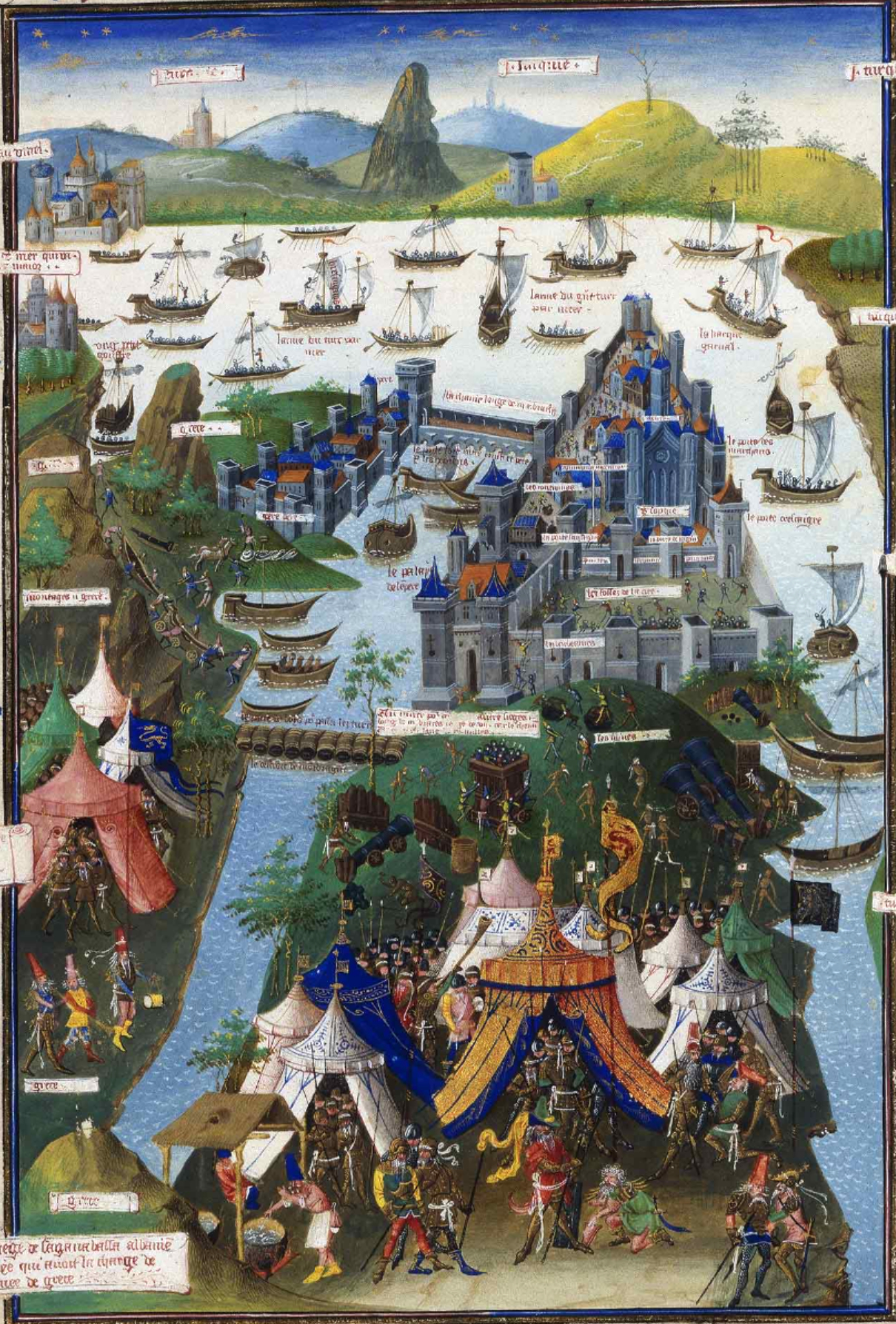 1453
After a 53-day siege, Ottoman forces breach the Theodosian Walls and the Roman Empire ends.
Source: Steven Runciman, 1965
 1455
Movable metal type turns the reproduction of text from a craft into an industry.
Source: Elizabeth Eisenstein, 1983
c. 1455Johannes Gutenberg completes the first major book printed with movable metal type in Europe.
Source: ,
 1492
The Catholic Monarchs take the last Nasrid kingdom.
Source: ,
 1497
A Portuguese fleet rounds Africa to reach Calicut.
Source: ,
 1503
A portrait of a Florentine merchant's wife, carried unfinished across the Alps and never delivered.
Source: Walter Isaacson, 2017
 1512
Michelangelo finishes four years of fresco over 500 square metres of Vatican ceiling.
Source: Ross King, 2003
 1517
An academic objection to indulgences becomes, via the printing press, a continental schism.
Source: Diarmaid MacCulloch, 2003
 1521
A siege, an epidemic, and tens of thousands of indigenous allies end the Mexica empire.
Source: Camilla Townsend, 2019
 1545
A silver mountain is found in the Andes.
Source: ,
 16th century
Guild casters record the Oba's court in brass.
Source: ,
 1552
Ivan IV's army storms Kazan, ending the khanate and opening the Volga to Russian expansion.
Source: ,
 1561
Ivan the Terrible completes a cathedral on Red Square to celebrate the conquest of Kazan.
Source: ,
 1582
The Cossack Yermak defeated the Khanate of Sibir, opening the conquest of Siberia.
Source: ,
 1599
The Lord Chamberlain's Men open the Globe on Bankside, built from the timbers of their old theatre.
Source: ,
 1603
Izumo no Okuni performs a bold new dance-drama on a dry riverbed in Kyoto.
Source: ,
 1605
Miguel de Cervantes publishes the first part of Don Quixote, often called the first modern novel.
Source: ,
 1632
Shah Jahan begins a tomb for Mumtaz Mahal.
Source: ,
 1645
The Fifth Dalai Lama raised the vast palace above Lhasa, seat of Tibetan rule for three centuries.
Source: ,
 1703
Peter the Great builds a capital on the Neva marshes.
Source: ,
 1714
Carpenters on an island in Lake Onega raise a church with twenty-two wooden domes — built, legend says, without a single nail.
Source: ,
 1728
Vitus Bering sailed from Kamchatka through the strait between Asia and America that bears his name.
Source: ,
 1760–1840
Coal, steam and the factory system reorganise work, cities and population in eighty years.
Source: Emma Griffin, 2010
 1764
Catherine the Great bought her first paintings, founding one of the world's greatest museums.
Source: ,
 1770
James Cook's Endeavour anchored at Kamay, a first encounter with the Gweagal people that foreshadowed colonisation.
Source: ,
 1772
Scientific expeditions described the world's deepest and oldest lake, home to unique seals and fish.
Source: ,
 1776
Thirteen colonies declare independence from Britain.
Source: ,
 1778
Milan's opera house opens with Salieri's Europa riconosciuta, becoming the world's most famous stage for opera.
Source: ,
 1788
British convicts land at Sydney Cove.
Source: ,
 1789
Parisians seize a royal fortress.
Source: ,
1789The storming of the Bastille turns a fiscal crisis into the founding event of modern politics.
Source: William Doyle, 1989
 1793
Revolutionary France opens the royal palace as a museum for all citizens.
Source: ,
 1810
Munich celebrates a royal wedding with horse races on the meadow before the city gates.
Source: ,
 1812
Napoleon's Grande Armée and Kutuzov's Russians fight the bloodiest single day of the Napoleonic Wars.
Source: ,
 1824
Completely deaf, Beethoven shares the podium for the premiere of his Ninth, ending with the Ode to Joy.
Source: ,
 1825
Officers demanded a constitution in St Petersburg; their defeat inspired generations of reformers.
Source: ,
 1826
Besieged defenders and civilians attempted a desperate breakout during the Greek War of Independence.
Source: Encyclopaedia Britannica, 2026
 1827
British, French and Russian squadrons destroyed much of the Ottoman-Egyptian fleet in Navarino Bay.
Source: Encyclopaedia Britannica, 2026
 1829
A fortified port became the seat of government as an independent Greek state took shape.
Source: Encyclopaedia Britannica, 2026
 1830
A notorious convict prison in Tasmania, now one of the best-preserved relics of the transportation era.
Source: ,
 c. 1830
Omani sultans made Zanzibar the capital of a spice and trade empire, leaving carved doors and coral-stone streets.
Source: ,
 1839
Britain went to war to force the opium trade on China, beginning a century of humiliation.
Source: ,
 1851
Britain displays industry in the Crystal Palace.
Source: ,
 1854
Gold miners rebelled against licence fees; though crushed, the revolt became a founding story of Australian democracy.
Source: ,
 1861
Alexander II freed some 23 million serfs, the greatest reform of imperial Russia.
Source: ,
 1866
A monastery sheltering insurgents and civilians became a symbol of the Cretan revolt against Ottoman rule.
Source: Wikipedia contributors, 2026
 c. 1869
The café cantante era moves flamenco from private gatherings onto public stages.
Source: ,
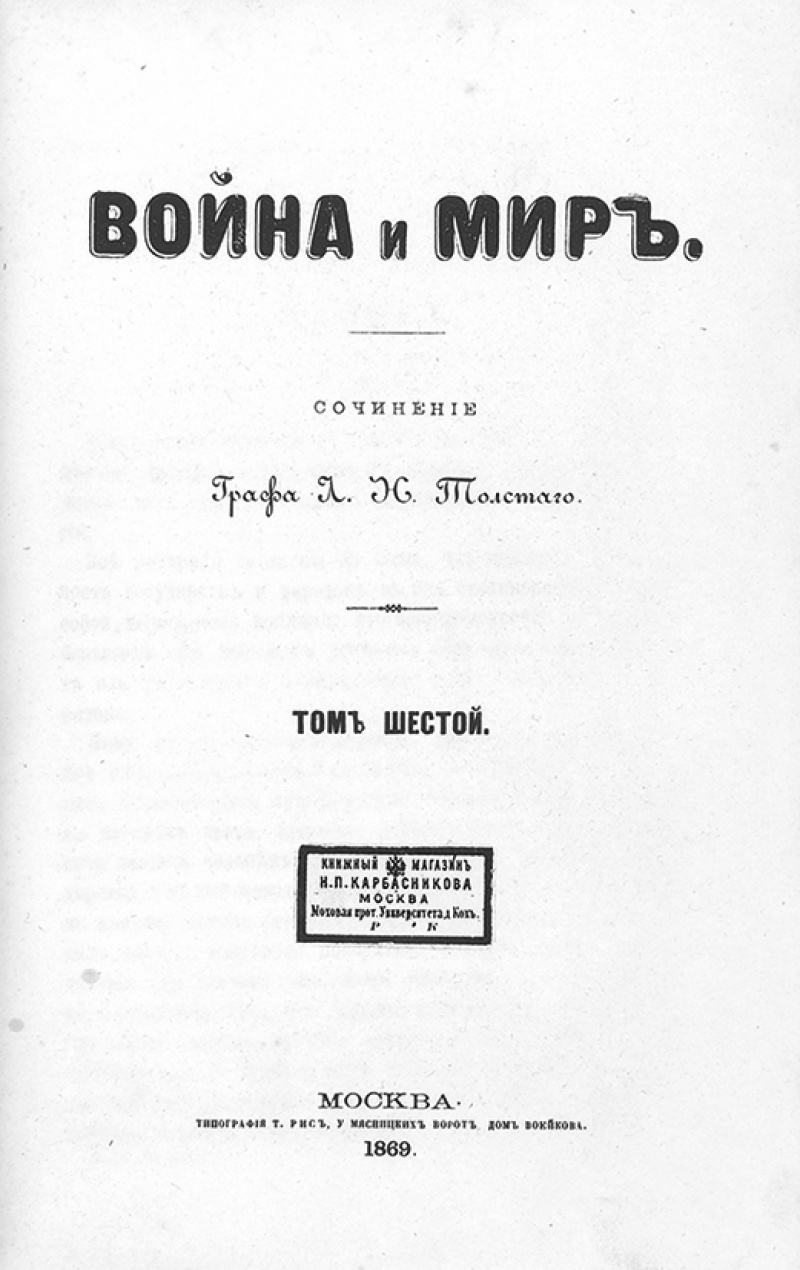 1869
At his estate of Yasnaya Polyana, Leo Tolstoy finishes one of the greatest novels ever written.
Source: ,
 1869
A 164-kilometre canal joined the Mediterranean and Red Sea, reshaping world trade routes overnight.
Source: ,
 1869
Dmitri Mendeleev arranged the elements by weight and predicted ones not yet discovered.
Source: ,
 1877
Tchaikovsky's Swan Lake debuts at the Bolshoi — a modest start for the world's most famous ballet.
Source: ,
 1879
The Zulu army inflicted a stunning defeat on British forces, the opening of the Anglo-Zulu War.
Source: ,
 c. 1880
In the port districts of Buenos Aires, immigrant and Afro-Argentine rhythms fuse into the tango.
Source: ,
 1883
Shut out of the old Academy of Music, New York's industrialists found their own opera house.
Source: ,
 1888
Brazil becomes the last nation in the Americas to abolish slavery.
Source: ,
 1896
Athens hosted the first Olympic Games of the modern revival in a restored ancient stadium.
Source: International Olympic Committee, 2026
 1896
Ethiopian forces under Menelik II defeated an Italian army, securing Ethiopia's independence through the scramble for Africa.
Source: ,
 1901
Six colonies united as the Commonwealth of Australia, with the first parliament opening in Melbourne.
Source: ,
 1903
The Wright brothers fly for 12 seconds.
Source: ,
 1907
The world's largest mud-brick building was rebuilt on medieval foundations and is replastered by the whole town every year.
Source: ,
 1908
A colossal explosion over the Siberian taiga flattens some 80 million trees across 2,000 square kilometres.
Source: ,
 c. 1910
Ragtime, blues, brass bands and Caribbean rhythm combine in New Orleans into a new music.
Source: ,
 1913
Dadasaheb Phalke's Raja Harishchandra premieres in Bombay, seeding the world's largest film industry.
Source: ,
 1916
The first Anzac Day marked the Gallipoli landings, creating a national rite of remembrance.
Source: ,
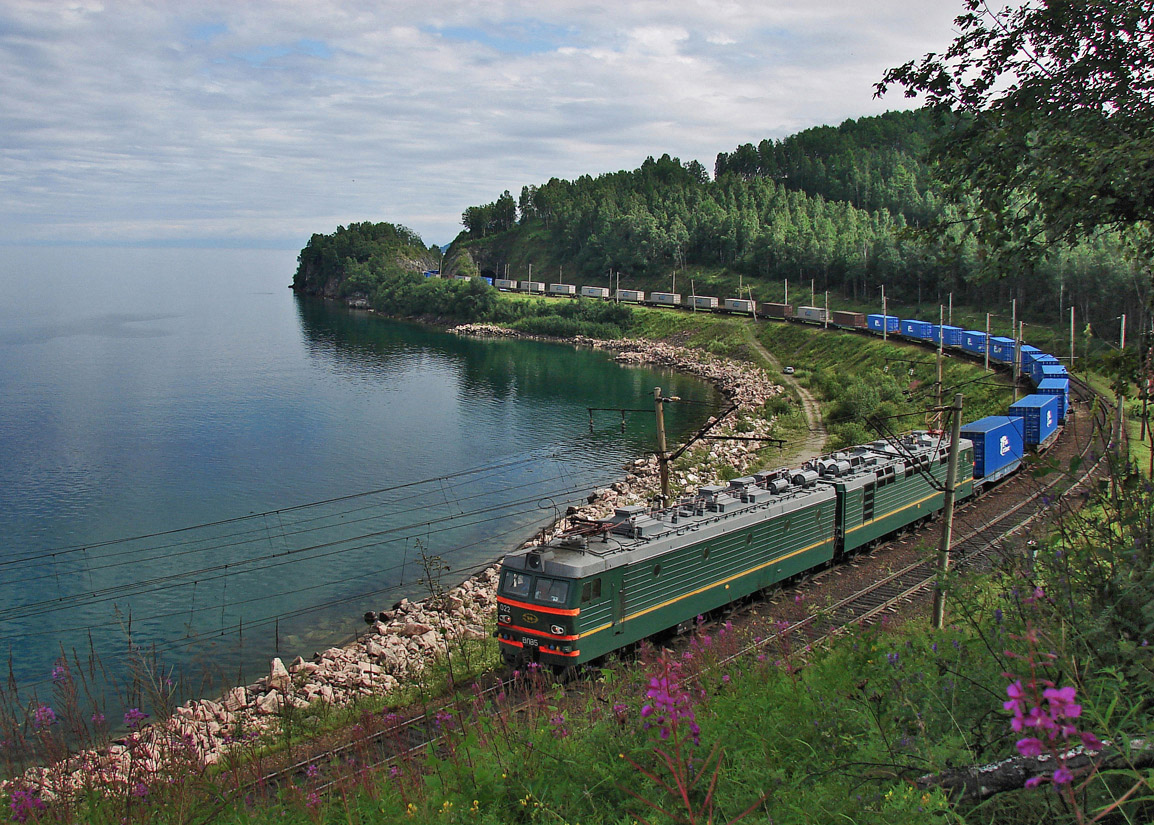 1916
The world's longest railway, 9,289 km from Moscow to Vladivostok, is completed with the Amur bridge.
Source: ,
 1917
Bolsheviks stormed the Winter Palace and seized power, founding the Soviet state.
Source: ,
 1918
Tsar Nicholas II and his family are shot by Bolsheviks in the cellar of the Ipatiev House.
Source: ,
 1919
Students protested in Beijing, sparking a movement for science, democracy and a new literature.
Source: ,
 1920
Hofmannsthal, Reinhardt and Strauss found a festival in Mozart's city to reunite post-war Europe through art.
Source: ,
 1929
Rivera begins his mural cycle, turning Mexico's history into public art on the walls of the state.
Source: ,
 1930
Uruguay hosts and wins the first World Cup at the newly built Estadio Centenario.
Source: ,
 1935
Communist forces retreated 10,000 kilometres to Yan'an, a journey that made Mao Zedong their leader.
Source: ,
 1941
For 872 days the city endured blockade and famine; the ice 'Road of Life' kept it alive.
Source: ,
 1942–43
Soviet forces encircle and destroy the German Sixth Army in the turning point of the war in Europe.
Source: ,
 1945
An atomic bomb destroys a Japanese city.
Source: ,
 1946
Conceived as an answer to fascist-influenced Venice, the Cannes festival finally opens after the war.
Source: ,
 1947
India becomes independent at midnight.
Source: ,
 1947
Eight uninvited theatre companies perform anyway on the margins of the new Edinburgh Festival.
Source: ,
 1957
The first artificial satellite beeped around the Earth, opening the space age.
Source: ,
 1957
Kwame Nkrumah declared Ghana free, the first sub-Saharan colony to win independence and a beacon for the continent.
Source: ,
 1961
East Germany seals off West Berlin overnight.
Source: ,
 1961
Vostok 1 lifts off from Baikonur, carrying Yuri Gagarin once around the Earth in 108 minutes.
Source: ,
 1969
Nearly half a million people gather on a dairy farm for three days of music that define a generation.
Source: ,
 1969
Eight years after the commitment, two people walk on another world and come back.
Source: Andrew Chaikin, 1994
 1969
A Saturn V carries three astronauts toward the Moon.
Source: ,
 1973
Jørn Utzon's shell-roofed opera house opened on Bennelong Point and became a symbol of a nation.
Source: ,
 1990
Nelson Mandela is released after 27 years.
Source: ,
 1992
The High Court recognised native title, overturning the doctrine that Australia had been nobody's land.
Source: ,
 1992
Senegal's capital launches the continent's most important biennial of contemporary African art.
Source: ,
 1997
Britain returned Hong Kong to China under the promise of 'one country, two systems'.
Source: ,
 1997
Veteran Cuban musicians record an album in Havana that brings son cubano to the world.
Source: ,
 1997
Frank Gehry's titanium museum transforms a declining industrial port — the 'Bilbao effect'.
Source: ,