1453
The Fall of Constantinople
Constantinople · Istanbul, Türkiye · Battle · Medieval World
The story
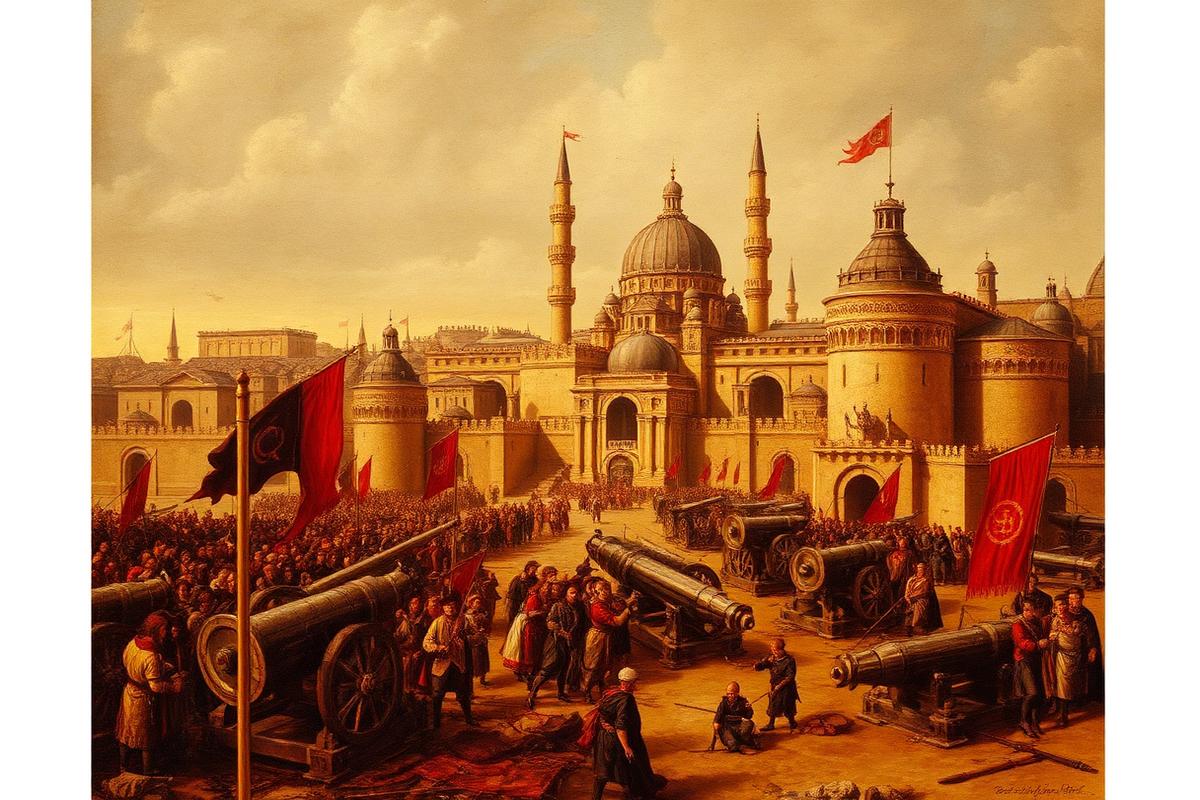
For over a millennium the triple land walls of Theodosius had turned back Avars, Arabs, Bulgars and Rus. In April 1453 Mehmed II brought something the walls had not been designed for: a bombard cast by the Hungarian engineer Orban, throwing stone shot of half a tonne.
Constantine XI had perhaps 7,000 defenders — including 700 Genoese under Giovanni Giustiniani — for six kilometres of wall. The Ottomans, by contemporary estimate, fielded ten times that number, and dragged seventy ships overland into the Golden Horn to bypass the harbour chain.
The final assault came before dawn on 29 May. Giustiniani was wounded and carried off; the defence lost its coordination at the Kerkoporta gate. Constantine XI was last seen fighting in the breach and his body was never identified.
The consequences were immediate and long: the Ottomans gained an imperial capital, Greek scholars carried manuscripts west into Italy, and Europe's search for sea routes to Asia acquired new urgency.
Numbers
days
soldiers
soldiers
ships
Key figures
Related events

Join the discussion
2 annotations on “The Fall of Constantinople”
Eleni Karali3 days ago
Runciman's defender figure of ~7,000 is often quoted, but Barbaro's diary suggests the Genoese contingent was counted twice in some later summaries. Worth flagging in the numbers panel.
archivist_012 days ago
Agreed — we cite Runciman for the headline figure and Barbaro as a primary eyewitness, so the discrepancy is visible rather than smoothed over.
Marco Torres6 days ago
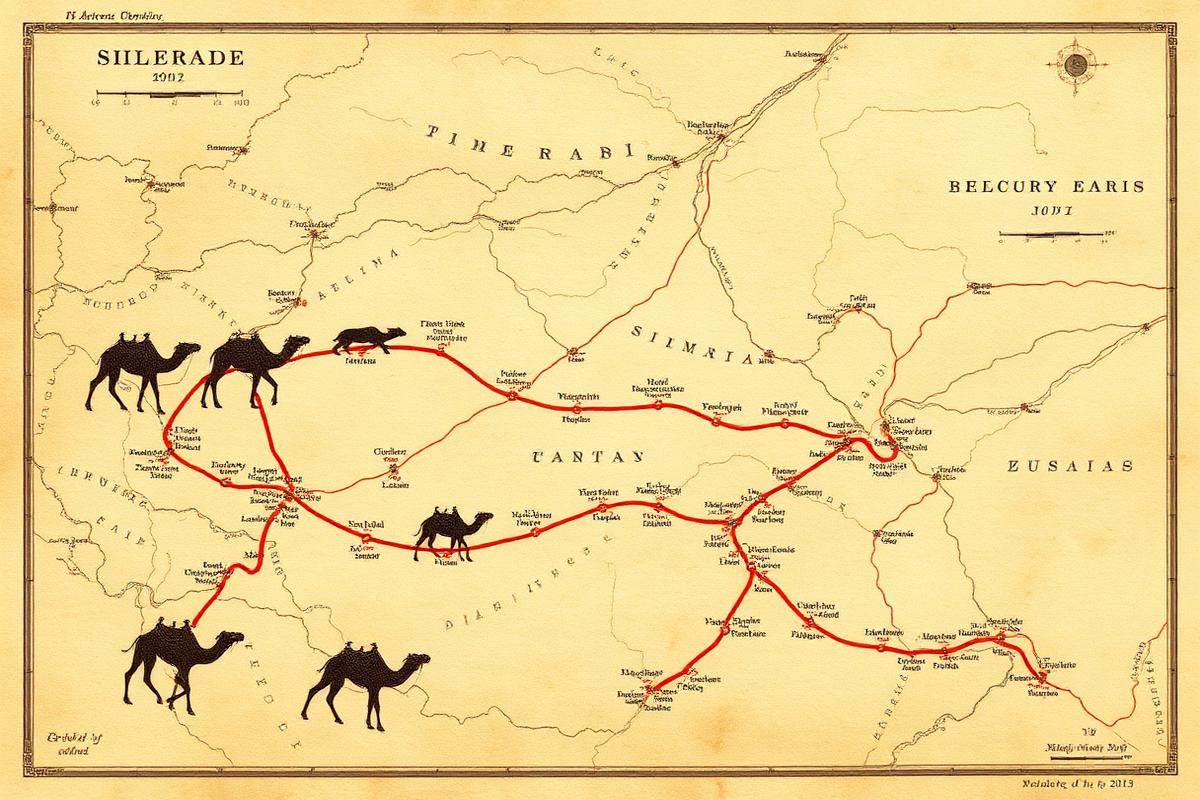
The detail about hauling seventy ships overland into the Golden Horn still seems impossible until you see the gradient of the Pera slope on the map layer.